Use and demand
Who uses the asset, why it matters and what could alter demand.
Real assets
Property and real assets considered through location, use, physical condition, financing and stewardship.
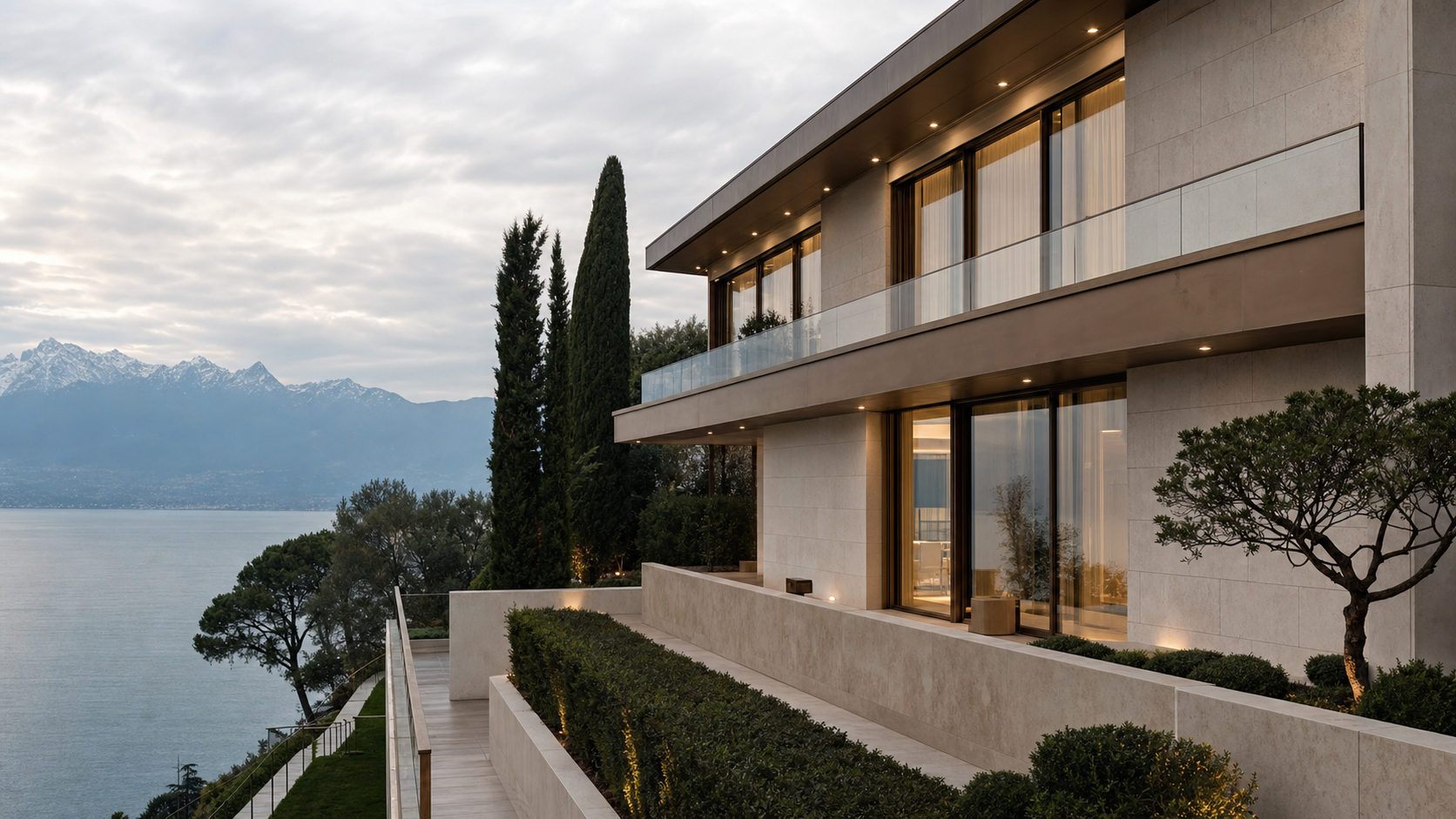
Real assets are reviewed through their actual use, durability of demand, technical condition, operating obligations, financing and exit flexibility. A prestigious address alone is not an investment case.
Who uses the asset, why it matters and what could alter demand.
Condition, maintenance, environmental exposure and future capital needs.
The durability, concentration and contractual basis of operating cash flow.
Financing, liquidity and options under changing conditions.
Ownership continues after acquisition. Regular technical, commercial and financial review helps identify decisions while they remain choices rather than emergencies.
Real-asset ownership may include acquisition, development, repositioning and operating oversight. Each business plan connects physical improvements with demand, income quality, financing and the long-term role of the asset.
Commercial, technical and financial diligence before capital is committed.
Selective improvement programmes designed around real demand and disciplined budgets.
Properties and operating concepts where place, service and governance work together.
Ongoing oversight of leasing, operations, capital expenditure and financing.
The company considers real assets in markets where local knowledge, reliable counterparties and a clear operating rationale support long-term ownership.